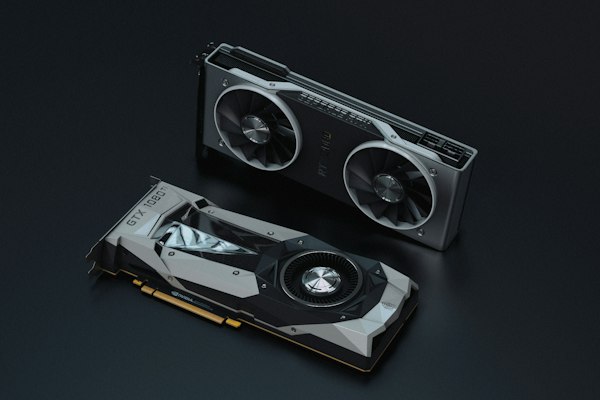
72-Hour Thermal Assessment
Full long-run review with temperature maps, throttle events, and a written verdict on whether the unit is fit for your ambient conditions.
Before you commit rack space and electricity to a new miner, know how it behaves after hour sixty—not just minute five. Our long-run temperature reviews separate stable hashers from units that throttle, drift, or fail under sustained load.

Most sellers quote factory specs. We record junction temperatures, fan curves, hash-rate drift, and power draw across three full days of continuous operation in a controlled ambient chamber.
Full long-run review with temperature maps, throttle events, and a written verdict on whether the unit is fit for your ambient conditions.
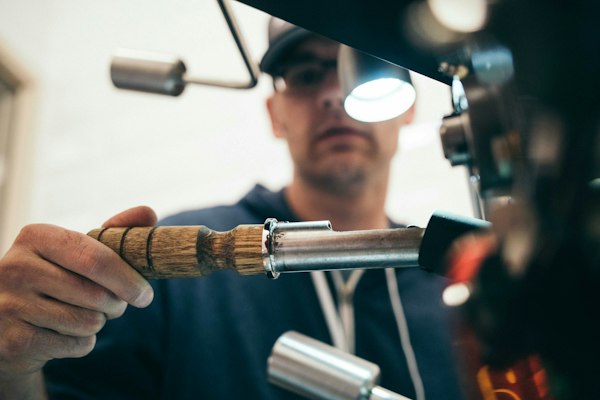
We visit your farm or container setup in Korea and recommend ducting, spacing, and fan placement based on your actual hardware mix.

Confirm advertised terahash output under our chamber conditions and compare against manufacturer claims at sustained temperature.
The S19 we bought from a secondary dealer was hitting 82°C on chip three by hour forty. Sitesycamorecore's report gave us the documentation to return it. Their probe placement caught a cold-plate gap our own IR camera missed.— Min-jun H., 120-unit farm near Daegu
We sent two M50S units for comparison before a bulk order. The written report was thorough, though turnaround took a day longer than quoted because of a chamber recalibration. Still worth the wait for the data.— Elena K., procurement lead, Ulsan hosting facility
Practical observations from our thermal review work—duct sizing, firmware quirks, and ambient humidity effects on sustained hash rates.

Short burn-in tests miss the thermal creep that shows up after the heat sink fully saturates.
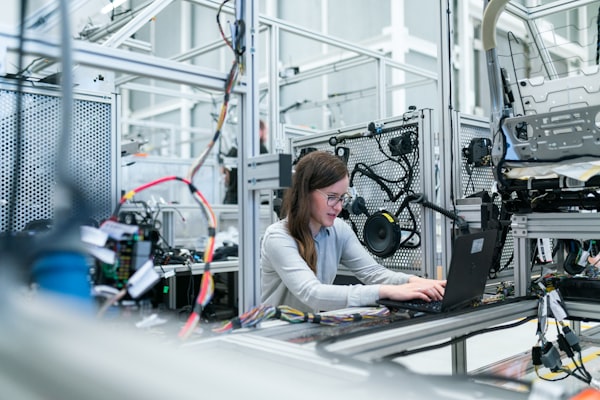
Korean summer humidity shifts fan behavior more than most operators expect. Here is what we measured.